Hai risparmiato centinaia di ore di processi manuali per la previsione del numero di visualizzazioni del gioco utilizzando il motore di flusso di dati automatizzato di Domo.
Guarda il video


In the world of big data, it’s analytics that rule. With a seemingly infinite amount of information at their fingertips, companies are looking for ways to make sense out of all this data and identify meaningful trends.
Analytics may be the key to unlocking new revenue opportunities, but not every company has access to advanced analytical tools or a team with the necessary skill sets in-house.
That’s where white label analytics comes in: an outsourced solution that brings advanced analytical capabilities on-demand with a relatively low upfront investment from your business.
In this article, we’ll take a deep dive into what white label analytics is and how businesses can benefit from these outsourcing solutions.
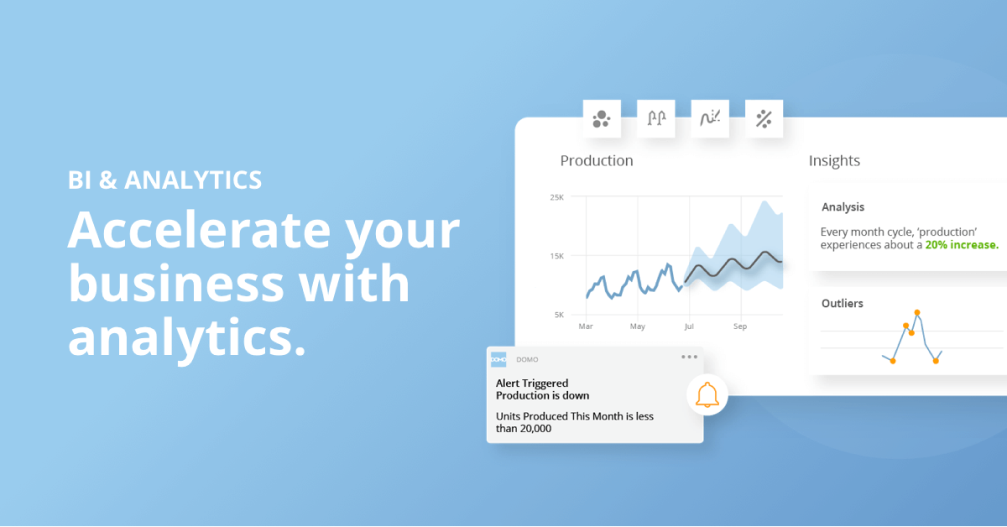
White label analytics refers to the practice of taking a third-party analytics platform and customizing it so it looks and feels like a native part of your own product or service. Rather than building a data platform from scratch, companies can integrate prebuilt analytics capabilities—such as dashboards, reports, and data visualizations—under their own brand identity.
This approach allows you to provide advanced, embedded analytics to your customers while maintaining full control over design, experience, and branding. In essence, white label analytics combines the technical power of an established analytics engine with the familiarity of your company’s brand and user interface.
White label analytics is closely related to embedded analytics, but it goes a step further. While embedded analytics integrates insights directly into your product, white label analytics focuses on complete customization and brand alignment—so users interact with data insights as if they were built in-house.
White label analytics works by partnering with a third-party provider that offers a ready-made analytics platform, which you then customize to fit your brand and integrate seamlessly into your application or website.
Here’s how the process typically unfolds:
This model allows companies to offer enterprise-grade analytics without investing the time, cost, and resources required to develop and maintain one internally.
Modern white label analytics platforms allow extensive control over both the design and functionality of the analytics experience. Depending on your provider, you can typically customize:
This level of flexibility ensures that your customers experience a fully branded, integrated analytics environment rather than a disconnected third-party tool.
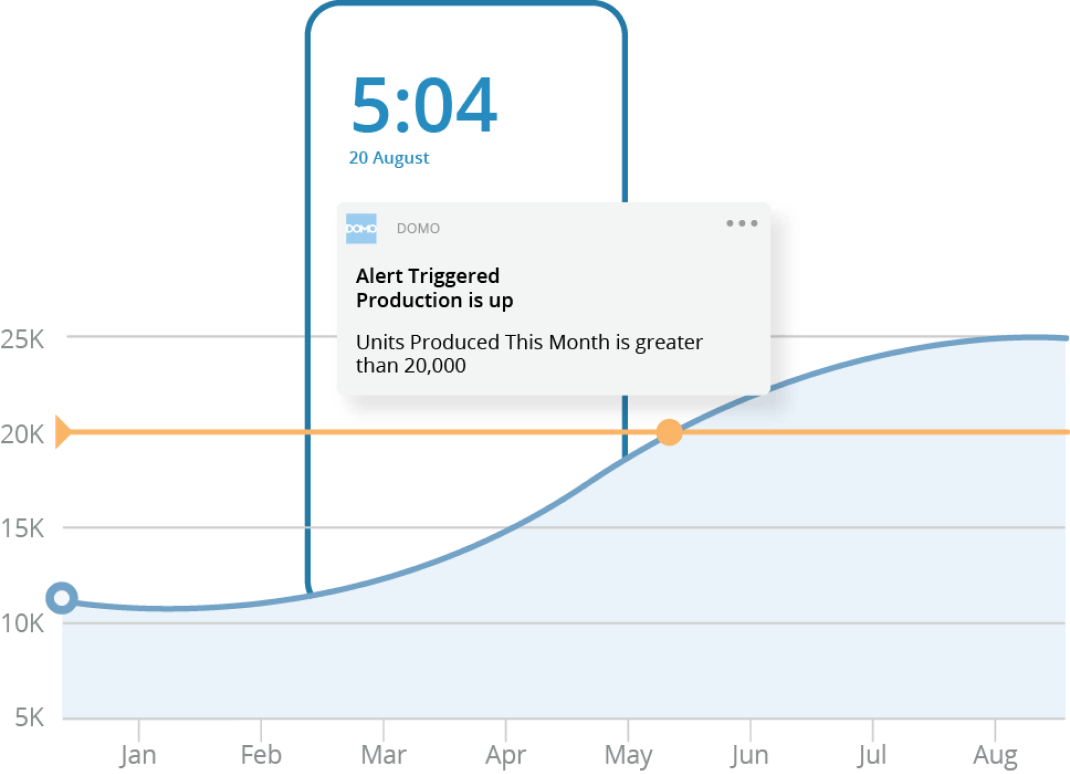
White label analytics delivers significant advantages for organizations seeking to enhance their product offering or client experience through data insights.
By integrating analytics directly into your application under your own branding, you reinforce your company’s identity and maintain a cohesive user experience across every interaction.
Building an analytics platform from the ground up can take years. White label solutions drastically reduce that timeline, enabling businesses to deliver advanced analytics capabilities within weeks or months.
Partnering with an established analytics provider eliminates the need for hiring full-time developers, data engineers, and designers to build and maintain custom analytics infrastructure.
Customers gain access to powerful data insights without leaving your product’s interface. This seamless experience encourages higher engagement and adoption.
Offering branded analytics within your solution can set your business apart from competitors who still rely on external reporting tools or manual data exports.
As your organization grows, so does your need for data-driven decision-making. White label analytics allows you to scale analytics features quickly without expanding your infrastructure or team.
Providers continually update their platforms with the latest analytics, AI, and visualization tools, giving you access to cutting-edge capabilities without the burden of development.
Your provider manages analytics securely within a governed environment. With role-based access and user-level permissions, your company retains control over how data is shared and used.
White label analytics vendors often provide dedicated support, documentation, and integration guidance, making deployment faster and more reliable.
Choosing the right white label analytics partner is key to long-term success. Here’s what to keep in mind:
White label analytics allows you to turn data into a competitive asset—without reinventing the wheel. By combining powerful analytics capabilities with your brand’s identity, you deliver an integrated, engaging, and trustworthy data experience for your users.
In a landscape where analytics can define success, white label solutions make it possible for businesses of any size to offer insights that feel uniquely their own.
Domo transforms the way these companies manage business.