Join the AI + Data Tour for hands-on training, real customer stories, and time with Domo product experts near you.
Register now

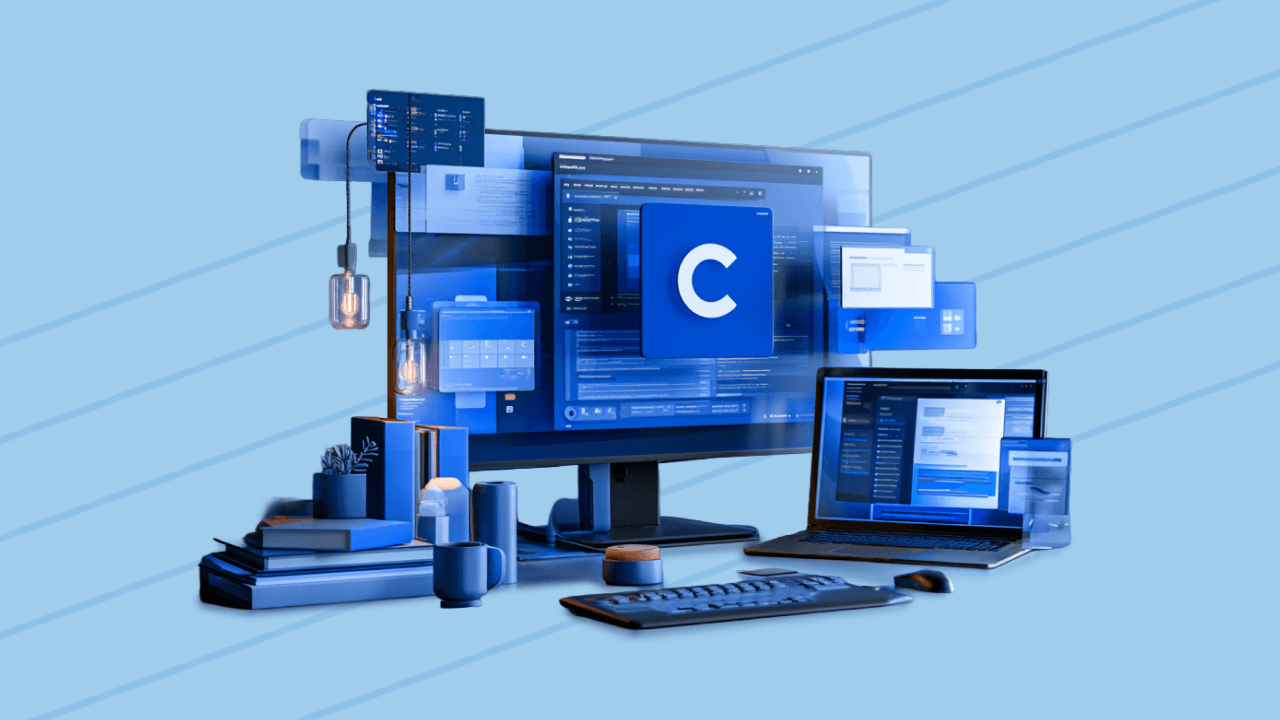
Domo on Data is a new learning series built for anyone who works with data, whether you spend your days writing SQL or translating dashboards for stakeholders. The series covers everything from data integration and transformation to AI agents and embedded analytics. Each guide delivers practical knowledge you can apply immediately.
Agentforce is Salesforce's framework for building autonomous AI agents that execute actions inside the Salesforce ecosystem. Forget chatbots that answer questions. Agentforce agents orchestrate multi-step workflows, call external tools, and complete tasks without human intervention at each step.
Alternatives serve teams who need similar capabilities outside the Salesforce ecosystem. Some platforms offer vendor-neutral orchestration across multiple customer relationship management (CRM) systems. Others specialize in specific functions like customer support or sales automation. A few provide the governed data foundation that any agent framework needs to operate reliably. Where Agentforce inherits Salesforce's object-level permissions, alternatives vary widely in governance depth (some match or exceed that granularity, others trade governance for speed of deployment).
Picture this: your team runs Agentforce successfully for service cases, but the moment you need agents to act on data in your warehouse or enterprise resource planning (ERP) system, everything stalls. That friction point drives most alternative evaluations.
Several scenarios push organizations to look elsewhere:
None of these are universal dealbreakers.
The AI agent market conflates basic copilots with true agentic platforms. Filtering through the noise requires clear criteria.
This list prioritizes platforms that coordinate multi-step workflows with tool-calling, support enterprise governance requirements, and have documented production deployments. Analyst coverage from Gartner or Forrester and strong presence on G2 or TrustRadius factored into selection. Early-stage tools without enterprise validation were excluded.
The list isn't exhaustive. Tools aren't ranked. Gartner projects 40 percent of enterprise apps will integrate AI agents by end of 2026, a projection that underscores how quickly the landscape is shifting.
| Platform | Best for | CRM dependency |
|---|---|---|
| Domo | Cross-functional data orchestration | Vendor-neutral |
| Decagon | High-volume support automation | Vendor-neutral |
| Sierra | Premium conversational AI | Vendor-neutral |
| Fin by Intercom | Existing Intercom customers | Intercom-native |
| Ada | Self-service resolution at scale | Vendor-neutral |
| ServiceNow | ITSM and employee workflows | ServiceNow-native |
| Microsoft Dynamics 365 | Microsoft ecosystem teams | Microsoft-native |
| Zendesk AI | Zendesk support teams | Zendesk-native |
| 11x | Sales and GTM automation | Vendor-neutral |
| UiPath | Enterprise RPA integration | Vendor-neutral |
The market breaks into four categories. Knowing which one fits your situation saves evaluation time.
Salesforce-native extensions enhance existing capabilities without replacing them. If you are committed to the ecosystem and want incremental features, start here.
Vendor-neutral orchestration platforms connect to multiple CRMs, data sources, and inference providers. Heterogeneous stacks or lock-in concerns point toward this category. One caution: "vendor-neutral" does not mean "integration-free." Expect to map data models and configure permissions across systems.
Specialized point solutions focus on a single use case like customer support or sales outreach. Narrow, well-defined automation targets benefit from this focus.
Open-source frameworks serve teams with engineering capacity to build custom agents.
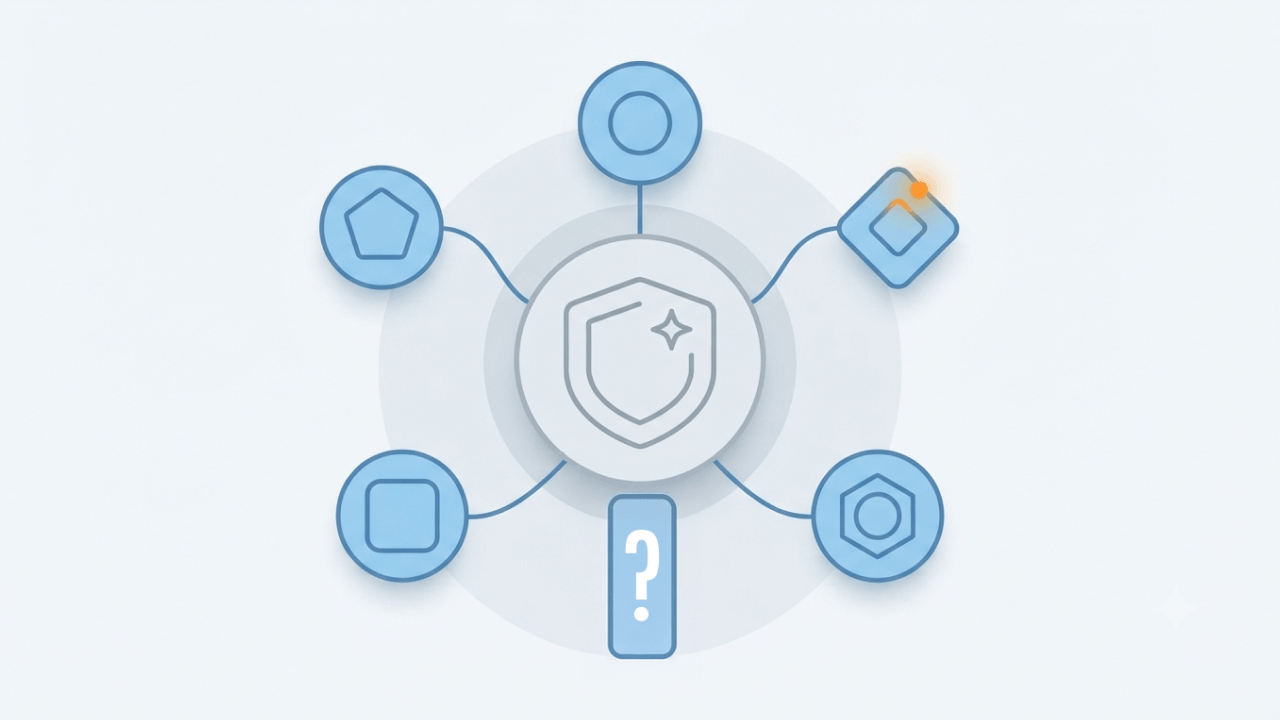
Domo approaches agentic AI differently than CRM-native tools. Rather than building agents inside a single application, Domo provides the governed data foundation that AI agents need to operate reliably across systems. Through Domo's AI Service layer, teams can use their preferred inference models (including OpenAI, Google, Anthropic, or their own). And because agents shouldn't run unbounded in enterprise workflows, Domo supports bounded autonomy with human-in-the-loop controls so people can set objectives, constraints, and approvals.
The platform connects to many common data sources, transforms the data with governed logic, and activates AI agents that read from a unified, permission-aware context. Outcomes flow into the workflows people already use (mobile apps, embedded analytics, automated alerts).
Three layers define the architecture:
Role-based access, audit trails, and compliance controls persist from data ingestion through agent execution to final delivery. Teams looking for a CRM-native agent builder may find Domo's value lies upstream, providing the governed data layer that any agent framework can consume.
Decagon builds AI agents specifically for customer support workflows. The platform focuses on containment rate (the percentage of inquiries resolved without human escalation) and provides observability tools to monitor agent performance in production.
Strong fit for support teams handling high ticket volumes. If the priority is orchestrating actions across support plus analytics, finance, or operations data, plan on pairing it with a broader data and workflow layer.
Founded by former Salesforce executives, Sierra positions itself as a premium conversational AI platform with deep customization and enterprise support. The founding team's background means the platform understands CRM workflows, though it operates independently.
Strong track record with large consumer brands. The premium positioning means it may be more capability and cost than smaller teams require.
Fin is Intercom's native AI agent, trained on your help center and conversation history. It handles customer inquiries directly within Intercom's messaging interface and escalates to human agents when needed.
Native integration means no additional setup for existing Intercom customers. Teams not already on Intercom face a platform migration.
Ada enables brands to build AI agents that resolve customer inquiries through self-service. The platform emphasizes ease of setup and rapid deployment with a low-code agent builder.
Multi-channel support across web, mobile, and social. Focused strictly on customer service, so teams needing agents for internal operations or complex multi-system orchestration will need additional tooling.
ServiceNow's AI capabilities bring conversational and generative features to IT service management (ITSM), human resources (HR) service delivery, and other enterprise workflows.
Strong fit for enterprises already running ServiceNow. Organizations not invested in the platform face significant adoption hurdles beyond just agent deployment.
Microsoft's AI agents for Dynamics 365 use Copilot Studio and Azure AI to automate customer interactions. Tight integration with Teams, Power Platform, and Azure.
Works best within the Microsoft ecosystem. Teams running a multi-CRM or mixed-cloud stack should expect additional integration and governance work across systems.
Zendesk AI brings automation and generative capabilities to the support platform, including AI-powered answers, ticket classification, and agent productivity tools.
Native integration with the support suite. If agents need to act on data outside Zendesk, expect additional integration work and a separate approach for governed, cross-system context.
11x builds AI workers that handle specific sales and go-to-market (GTM) functions: outbound prospecting, lead qualification, meeting scheduling. The platform positions these as autonomous digital workers rather than assistants.
Designed to scale pipeline activities without proportional headcount. Narrowly focused on sales and GTM, so teams needing support or operations agents will need complementary tools.
UiPath extends its robotic process automation (RPA) platform with AI agents that handle unstructured tasks, make decisions, and orchestrate complex workflows. The platform bridges traditional RPA with modern agentic AI.
Deep enterprise automation heritage with strong governance. UiPath's strength is process automation, not conversational AI. Teams seeking customer-facing chat agents may find it better suited as a back-end orchestration layer.
A slick demo doesn't predict whether an agent will handle edge cases, maintain governance, or scale under load. Forrester notes that while three-quarters of leaders claim adoption, few have meaningful production deployments. Structure your evaluation around production-readiness criteria instead.
Start with orchestration depth. Can the platform coordinate multi-step workflows with conditional logic, or only single-turn interactions? The difference determines whether you're buying an assistant or an agent.
Tool-calling accuracy matters more than most teams realize. Ask vendors for accuracy metrics from production deployments. How reliably does the agent invoke the right tools with correct parameters? Many teams focus on response quality while ignoring tool-calling failures, which cause silent breakdowns in multi-step workflows. You'll notice this only after something breaks in production. By then, you've already lost trust with stakeholders.
Governance granularity varies widely. Does the platform support role-based access, audit trails, and data residency requirements? Where do permissions break down when data crosses system boundaries?
Observability separates production-ready platforms from demos. Can you monitor agent decisions, latency, and failure rates? What alerting exists when something goes wrong?
Human-in-the-loop controls determine risk exposure. How easily can you require human approval for high-stakes actions? Is escalation configurable by action type?
Run a two to four week pilot with defined success metrics before committing. Evaluate on escalation quality, not just containment rate. Review transcripts of escalated tickets to ensure the agent gathered the right context before handing off.
The right alternative depends on your stack, your use case, and your governance requirements.
If you're committed to Salesforce and want incremental capabilities, evaluate native extensions or platforms with deep Salesforce integration.
If you need agents to act on data across multiple systems, prioritize vendor-neutral orchestration platforms or platforms like Domo that provide the governed data foundation agents need.
Narrow, well-defined use case? Specialized point solutions offer faster time-to-value.
If governance and compliance are non-negotiable, prioritize platforms with documented role-based access, audit trails, and data residency controls. Run a security review before piloting. Teams that skip this step often regret it later in the deployment.
Ready to see what governed, vendor-neutral agentic analytics looks like in practice (without getting boxed into a single ecosystem)? Get a demo to explore how Domo connects your data, applies the right controls, and turns AI agents into measurable outcomes.
Domo transforms the way these companies manage business.